A Gulf of Oman gateway for oil exports
Jask Oil Terminal connects Iran’s southeastern coast with the maritime routes of the Gulf of Oman and the Arabian Sea.
Where inland supply meets open-water shipping routes
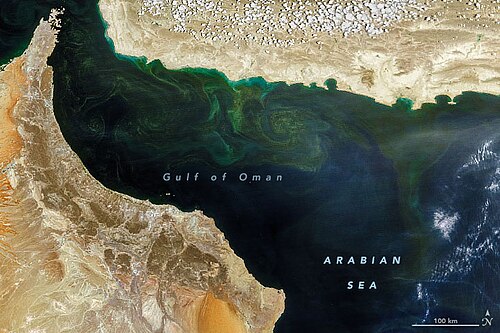
The Gulf of Oman lies between Iran’s southern coast and the coasts of Oman and the United Arab Emirates. It connects the Strait of Hormuz in the west with the Arabian Sea to the east, forming an important link between the Persian Gulf and the wider Indian Ocean.
Jask Oil Terminal is located at Jask in Hormozgan Province, on the Iranian side of the Gulf of Oman. Its position is outside the Strait of Hormuz, giving cargoes loaded here access to the Arabian Sea without first passing through the strait.
This location is central to the role of Jask Oil Terminal as the coastal outlet for crude delivered through the Goreh–Jask pipeline. Inland transport, tank storage and tanker loading come together at the maritime end of the export chain.
Understanding the location
The Strait of Hormuz is the passage into and out of the Persian Gulf. Jask Oil Terminal sits on the Gulf of Oman side of that passage, providing a different export location from terminals within the Persian Gulf.
The image provides regional geographic context only. It is not a navigational chart or a guide to vessel approaches, anchorages or loading positions.
Why the Gulf of Oman matters
Access beyond the strait
A cargo loaded at Jask Oil Terminal can depart towards the Arabian Sea without transiting the Strait of Hormuz. This describes the geographic route, not a guarantee against disruption, delay or regional shipping risks.
Connection to wider markets
The Arabian Sea links the Gulf of Oman with Indian Ocean shipping routes. Actual voyage planning depends on the discharge location, vessel characteristics, weather, navigation requirements and applicable restrictions.
A coastal outlet for inland crude
The Goreh–Jask pipeline connects inland crude supply with the Gulf of Oman coast. At the export end, receipt timing, storage and loading arrangements need to align around the proposed cargo.
Explore the Goreh–Jask pipelineStorage and marine coordination
Tank storage links incoming supply with onward shipment. Suitable space, cargo quality requirements and the vessel loading programme must be considered together rather than treated as separate commitments.
Discuss storage requirementsPlanning a cargo through Jask Oil Terminal
Location is one part of a shipment plan. Confirm the cargo, commercial terms and current terminal arrangements before committing to a vessel or delivery programme.
Product and timing
Identify the product or crude grade, quantity, destination and preferred loading period. Supply availability and storage acceptance require confirmation for the proposed movement.
Vessel and operating conditions
Review vessel particulars, terminal compatibility, arrival notices and loading instructions through the appropriate operational channels. Weather and sea conditions can affect scheduling; use current instructions rather than this overview for marine planning.
Documentation and compliance
Clarify inspection, cargo documents and delivery responsibilities. The parties must review applicable sanctions, export controls, customs, banking and maritime requirements before proceeding.
Discuss your Gulf of Oman cargo requirements
Share your company details, product, volume, destination and expected timing with Jask Oil Terminal. Our team can discuss the information needed to review your enquiry and clarify the next steps for supply, storage and export coordination.